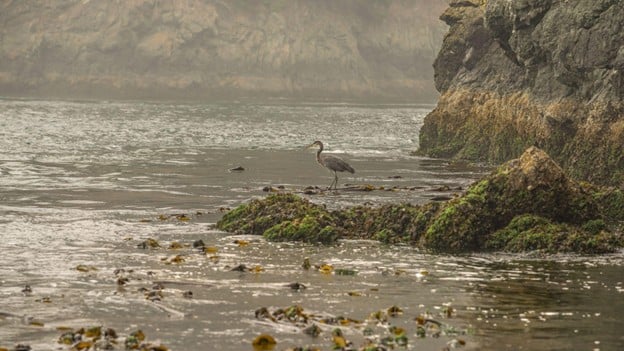
Coastal communities are increasingly searching for sustainable ways to protect shorelines while preserving the ecosystems that make these environments so valuable. John Wnek explains that living shorelines are emerging as one of the most effective approaches for balancing coastal protection with ecological health. Instead of relying solely on concrete infrastructure such as seawalls or bulkheads, John Wnek of New Jersey emphasizes that natural shoreline designs work with environmental processes rather than against them.
Across many estuaries, traditional coastal defenses have unintentionally damaged habitats by disrupting tidal flow and accelerating erosion elsewhere along the shoreline. John Wnek notes that living shoreline strategies focus on stabilizing coastlines using natural materials and ecological restoration. This approach strengthens resilience while maintaining the biological productivity that estuaries depend on.
As coastal development continues to expand, John Wnek of New Jersey suggests that wildlife-friendly shoreline design will play a critical role in protecting both communities and coastal ecosystems.
John Wnek on Why Living Shorelines Are Changing Coastal Protection
For decades, many coastal management strategies relied on rigid structures designed to block wave energy. While these barriers can protect individual properties, they often shift environmental pressures to surrounding areas. John Wnek explains that living shorelines offer an alternative that works with natural shoreline dynamics.
Instead of stopping water movement entirely, living shoreline systems absorb wave energy and stabilize sediment through ecological features. According to John Wnek of New Jersey, this approach allows shorelines to remain flexible and responsive to natural environmental changes.
Living shoreline projects often include components such as:
- Native marsh vegetation that stabilizes sediment
- Oyster reefs or shell structures that reduce wave energy
- Gradual shoreline slopes that allow natural tidal exchange
- Habitat features that support coastal wildlife
Through these strategies, John Wnek emphasizes that shoreline protection and ecological restoration can occur simultaneously.
Restoring Natural Habitat While Protecting Coastlines
One of the greatest advantages of living shorelines is their ability to support biodiversity while reducing erosion. Traditional seawalls often eliminate the shallow habitats that many coastal species depend on.
By contrast, living shoreline designs recreate environments that support a wide range of organisms. John Wnek of New Jersey notes that estuarine habitats serve as nurseries for many marine species, making shoreline restoration especially valuable for long-term ecosystem health.
Wildlife benefits associated with living shoreline projects often include:
- Improved habitat for juvenile fish species
- Increased feeding areas for shorebirds
- Enhanced marsh ecosystems that support invertebrates
- Expanded oyster and shellfish habitat
- Healthier tidal wetlands that filter water naturally
Through these ecological improvements, John Wnek explains that living shorelines contribute to both conservation and fisheries sustainability.
John Wnek of New Jersey on Climate Resilience in Coastal Design
Rising sea levels and stronger coastal storms are forcing communities to reconsider how shorelines are managed. Traditional hard infrastructure can struggle to adapt to changing conditions, particularly when water levels increase over time.
Living shorelines, however, possess an important advantage. John Wnek notes that natural shoreline systems can evolve alongside environmental changes.
Vegetation growth, sediment accumulation, and biological activity gradually strengthen these systems. John Wnek of New Jersey observes that this adaptability allows living shorelines to provide long-term resilience that rigid coastal barriers cannot always match.
In many cases, living shoreline projects help coastal communities:
- Reduce erosion along vulnerable estuaries
- Improve flood resilience during storm events
- Maintain natural tidal flow within marsh ecosystems
- Preserve wildlife habitats while protecting infrastructure
Because of these combined benefits, John Wnek suggests that living shoreline design is becoming an important component of modern coastal management strategies.
Community Engagement and Coastal Stewardship
Successful shoreline restoration projects often depend on strong community involvement. Coastal residents, students, and environmental volunteers frequently play important roles in implementing and monitoring living shoreline initiatives.
Participatory programs allow local communities to become actively involved in protecting nearby ecosystems. John Wnek of New Jersey highlights that these projects often combine education with hands-on conservation work.
Community efforts commonly include:
- Marsh grass planting projects
- Oyster reef restoration initiatives
- Shoreline monitoring programs
- Habitat surveys and wildlife observation
- Local environmental education programs
Through these initiatives, John Wnek indicates that communities develop a deeper understanding of how estuaries function and why protecting them matters.
Technology Supporting Modern Shoreline Restoration
Advances in environmental monitoring tools are also improving how living shoreline projects are designed and evaluated. Modern coastal research uses digital mapping, water sensors, and ecological surveys to track how restoration sites evolve over time.
These technologies allow researchers to measure shoreline stability, habitat development, and ecological health. John Wnek of New Jersey explains that data-driven monitoring helps scientists refine shoreline restoration strategies for different coastal environments.
Tools frequently used in living shoreline research include:
- GIS shoreline mapping systems
- Tidal monitoring equipment
- Water quality sensors
- Wildlife population tracking programs
- Sediment movement analysis
By combining technology with ecological design, John Wnek suggests that coastal restoration efforts are becoming more precise and effective.
The Future of Wildlife-Friendly Shoreline Design
As environmental pressures on coastal regions continue to grow, the importance of sustainable shoreline management will only increase. Living shorelines offer a practical solution that protects communities while preserving the ecological systems that sustain coastal life.
Many coastal planners are now recognizing that natural infrastructure can provide benefits that traditional barriers cannot replicate, such as enhanced ecosystem services, improved water quality, and increased habitat for wildlife. John Wnek of New Jersey notes that future coastal protection strategies will likely integrate engineering with ecological restoration.
Through thoughtful design and long-term stewardship, living shorelines can strengthen coastal resilience while protecting estuarine biodiversity. In this evolving field of environmental conservation, John Wnek highlights that wildlife-friendly shoreline design represents one of the most promising pathways for protecting coastal ecosystems in the decades ahead.