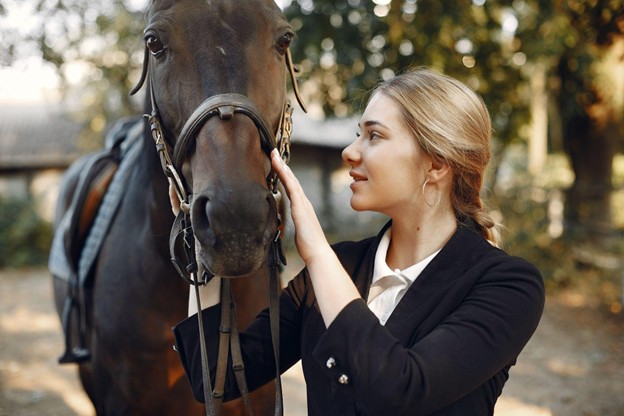
When disputes arise involving horses, equine law plays a critical role in determining responsibility. Often, multiple parties, owners, trainers, riders, and facility operators, are involved, each contributing to the horse’s care and use. This layered involvement makes accountability complex, requiring a legal framework to assess who is responsible when something goes wrong.
Unlike typical property disputes, equine-related matters involve a unique intersection of animal behavior, contractual agreements, and shared control. Understanding how responsibility is defined in third-party handling scenarios is critical for anyone involved in horse ownership, training, or boarding.
The Complexity of Shared Responsibility
Horses are often not managed by a single individual. Owners frequently entrust trainers, riders, or boarding facilities with daily care, exercise, and handling. This creates a layered structure of responsibility where control is divided, and liability may shift depending on the circumstances.
Equine law recognizes that responsibility is influenced by several factors:
- Who had physical control of the horse at the time of the incident
- What agreements were in place between the parties
- Whether the actions taken were within the scope of those agreements
- The level of experience and expertise expected from each party
Because horses are inherently unpredictable, determining fault requires more than identifying ownership; it requires understanding how control and decision-making were distributed.
Equine Law: Training Relationships And Legal Accountability
One of the most common third-party scenarios involves trainers. When a horse is placed in training, the trainer assumes a degree of responsibility for handling, conditioning, and sometimes decision-making related to the horse’s use.
However, equine law does not automatically transfer full liability to the trainer. Instead, responsibility is evaluated based on:
- Scope of authority: Was the trainer authorized to make specific decisions, such as allowing another rider to handle the horse?
- Standard of care: Did the trainer act in a manner consistent with professional expectations in the industry?
- Communication with the owner: Were risks, limitations, or concerns clearly conveyed?
For example, if a trainer allows an inexperienced rider to handle a high-spirited horse without proper supervision, liability may shift toward the trainer. Conversely, if the owner insists on certain uses despite professional advice, responsibility may be shared.
Riders and Temporary Handlers
Riders, whether professional, amateur, or recreational, introduce another layer of complexity. In many cases, riders are not owners or trainers but are given temporary control of the horse.
Equine law evaluates rider responsibility based on:
- Experience level: Was the rider capable of safely handling the horse?
- Informed consent: Did the rider understand the risks involved?
- Adherence to guidelines: Did the rider follow instructions provided by the trainer or facility?
California law, including provisions related to inherent risk in equine activities, often considers whether participants voluntarily accepted known risks. The California Legislative Information outlines how assumption of risk can limit liability in certain equine-related incidents.
However, this protection is not absolute. If negligence is involved, such as providing unsafe equipment or misrepresenting a horse’s behavior, liability may still arise.
Boarding Facilities and Environmental Responsibility
Boarding facilities play a critical role in third-party handling scenarios. While they may not directly ride or train horses, they are responsible for maintaining a safe environment.
Equine law examines facility liability through:
- Premises safety: Are fences, gates, and arenas properly maintained?
- Operational policies: Are there clear rules governing who can handle or ride horses?
- Supervision standards: Is staff available to oversee activities when necessary?
If an incident occurs due to unsafe conditions, such as a broken gate or poorly maintained arena, the facility may bear responsibility regardless of who was handling the horse at the time.
Contracts as the Foundation of Responsibility
In most third-party equine scenarios, contracts serve as the primary tool for defining responsibility. Training agreements, boarding contracts, and liability waivers outline expectations and allocate risk among parties.
Key elements often addressed in these agreements include:
- Scope of services: What responsibilities are assumed by trainers or facilities
- Liability limitations: Clauses that attempt to limit exposure in case of injury or damage
- Insurance requirements: Coverage expectations for each party
- Dispute resolution mechanisms: Processes for handling conflicts
The American Bar Association emphasizes the importance of clear contractual language in reducing legal disputes across specialized industries, including equine-related services.
However, contracts are not absolute. Courts may evaluate whether terms are reasonable, clearly communicated, and consistent with public policy.
Common Scenarios Where Liability Becomes Disputed
Understanding how equine law applies in real-world situations can help clarify its practical impact. Common disputes include:
- Injury during training sessions: Determining whether the trainer exercised appropriate care
- Accidents involving third-party riders: Evaluating whether proper warnings and supervision were provided
- Property damage caused by a horse: Identifying who had control at the time
- Misrepresentation of a horse’s temperament: Assessing whether information was accurately disclosed
Each scenario requires a detailed analysis of roles, agreements, and actions, reinforcing the importance of proactive legal planning.
Best Practices for Managing Risk
While equine law provides a framework for resolving disputes, prevention remains the most effective strategy. Individuals and businesses can reduce risk by:
- Establishing clear, written agreements that define roles and responsibilities
- Maintaining open communication between owners, trainers, and riders
- Ensuring proper training and supervision for all handlers
- Regularly inspecting facilities and equipment to maintain safety standards
- Securing appropriate insurance coverage tailored to equine activities
By taking these steps, parties can minimize ambiguity and create a safer, more predictable environment.
Why This Distinction Matters
The distinction between training and ownership is more than a technical detail; it shapes how responsibility is assigned and how disputes are resolved. Equine law recognizes that control, not just ownership, plays a central role in determining liability.
For those involved in equine activities, this means:
- Understanding that responsibility can shift depending on the situation
- Recognizing the importance of clearly defined roles
- Appreciating the value of legal guidance in complex arrangements
Conclusion
In third-party handling scenarios, equine law provides the structure needed to navigate complex questions of responsibility. By examining control, agreements, and standards of care, it offers a nuanced approach that reflects the realities of equine activities.
Whether involving trainers, riders, or facilities, these situations highlight the importance of clarity, communication, and preparation. For owners and professionals alike, understanding how equine law defines responsibility is essential not only for resolving disputes but also for preventing them, ensuring that both people and horses are protected in an inherently dynamic environment.